Traditional fire extinguisher training can be messy, costly and time-consuming. It involves starting a fire in an outdoor burn tray, spraying the flames with dry chemicals, lighting a new fire for the next person, recharging empty extinguishers throughout the day, and then cleaning up afterward.
That constant start-stop cycle interrupts sessions and limits the number of people who can be trained. All the downtime also can leave trainees bored and unengaged. And at the end, instructors literally have a mess on their hands.
A Better Solution
As technology improves, companies are changing how they teach fire safety. Digital training systems have become more popular in recent years, thanks to their combination of realism and safety. They’re also easy to set up and can be used in any location where fires can occur.
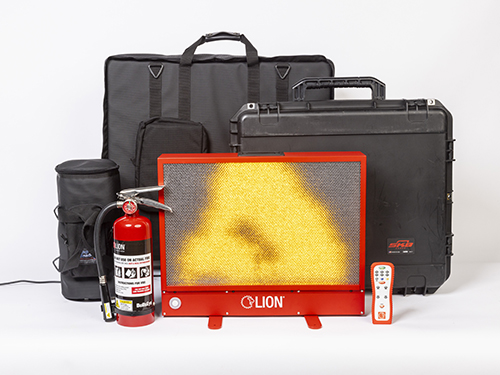
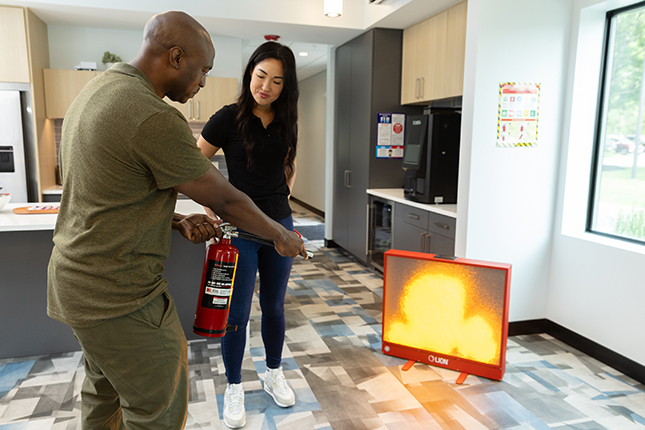
At the forefront of the digital revolution are systems that feature laser extinguishers and LED panels that can mimic a real fire.
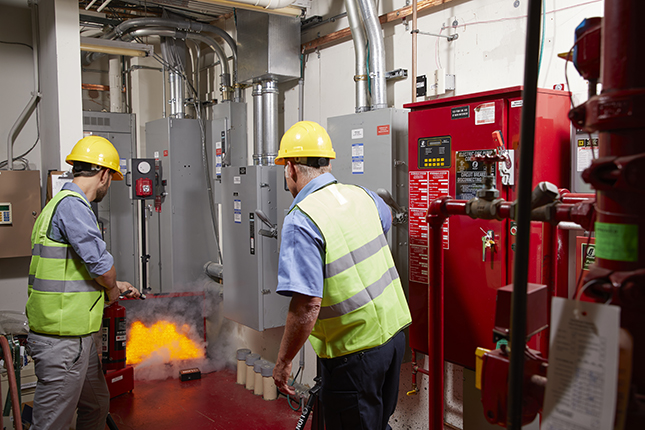
These systems integrate high-tech sensors and extinguisher props to provide an immersive, hands-on experience. They let users battle LED flames in realistic environments, while also allowing instructors to meet OSHA training requirements.
The Benefits of Digital Training
Many leading training programs are using digital systems because they have several advantages over live-fire exercises:
- Easy-to-use: Digital systems typically fit into small carrying cases, making them far easier to transport and set up than a bulky burn tray. And some LED panels weigh less than 20 pounds, which is the perfect size for one person to bring to training sessions.
- Flexible: Instructors can choose from a variety of fire types and difficulty levels. Some systems also connect wirelessly to smoke generators, strobe lights and alarms to create a more immersive training experience.
- Cost-effective and eco-friendly: These systems eliminate any costs for fuel or extinguishers. And because they don’t use chemicals or water, they minimize the environmental impact of live-fire training.
- Immediate feedback: To put out the digital flames, trainees must sweep the laser extinguisher across the base of the fire. Sensors in the LED panel can detect if someone is using proper techniques. If not, the fire won’t go out.
Realistic Extinguishers
Some systems use a video game controller as a substitute for an extinguisher. But training with a realistic extinguisher prop—one that has a pin, handle and hose—helps reinforce proper techniques. With these realistic props, users can:
- Develop muscle memory: Handling an extinguisher helps build confidence and familiarity, making it easier to act under pressure.
- Memorize P.A.S.S.: Training reinforces the P.A.S.S. method (Pull, Aim, Squeeze and Sweep) and helps instill proper techniques.
- Understand fire situations: Practice helps people know when a fire can be extinguished and when evacuation is the best option.
- Enhance decisions: When people train in simulated conditions, they’re more likely to react correctly in real situations.
Fire Classifications
Digital systems can help people recognize and respond properly to different types of fires. While there are several classifications of fires, these are the three that people are most likely to encounter:
- Class A: Ordinary combustibles (wood, paper, cloth, many building materials). Use water, foam or multipurpose dry chemical extinguishers.
- Class B: Flammable liquids (gasoline, oils, solvents, adhesives). Use foam, CO2 or dry chemical extinguishers.
- Class C: Energized electrical equipment. Use CO2 or dry chemical extinguishers.
Training with a digital system reinforces the need to use the correct extinguisher on each fire type. This is crucial because using the wrong extinguisher can spread flames and worsen the incident.
Smart Controls
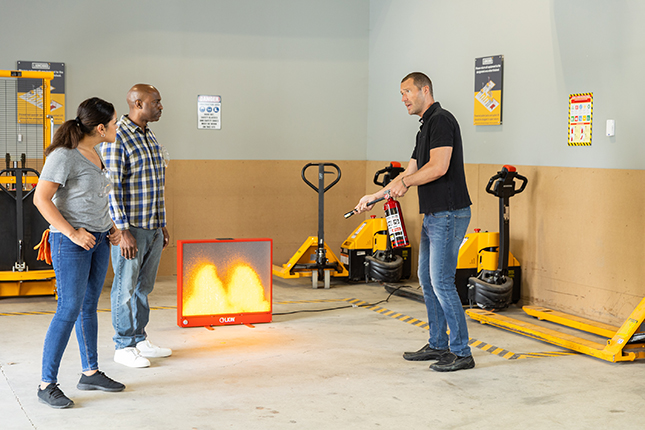
Some digital systems come with a tablet and trainer app to let instructors control scenarios without interrupting sessions. This minimizes downtime to let organizations train more people.
Software packages on some systems can help instructors track trainees and chart their performance over time. Instructors also can export the details for sharing, record keeping and printing certificates of completion.
An All-In-One System
Effective extinguisher training programs reduce risks, protect properties and save lives. With quality training, employers can help workers react confidently under pressure and make the right decisions during an actual emergency.
Digital systems also help companies meet OSHA requirements, making them the perfect tool for organizations looking for a one-stop solution to fire safety training.
Khalil Searcy, Sales Supervisor at LION Safety Solutions, helps companies create effective fire safety training programs. |


 Linkedin